Project Summary
Bangladesh’s adolescent and youth population is increasingly exposed to emotional stress, digital risks, academic pressure, financial uncertainty, and unsafe social environments. With limited structured life-skills education in families and schools, young people often struggle to make informed decisions, express themselves, or manage emotional and social challenges effectively.
Jeebanphool bridges this critical gap by providing structured life skills training rooted in psychosocial development, emotional resilience, and practical competencies. The initiative equips adolescents and young adults with essential abilities that support responsible behavior, healthy communication, personal safety, and everyday problem-solving.
As WHF’s flagship life skills development program, Jeebanphool empowers youth to navigate modern life with greater confidence, resilience, and self-awareness—laying a foundation for a healthier, more empowered generation.
Project Goal, Target Beneficiaries & Expected Outcomes
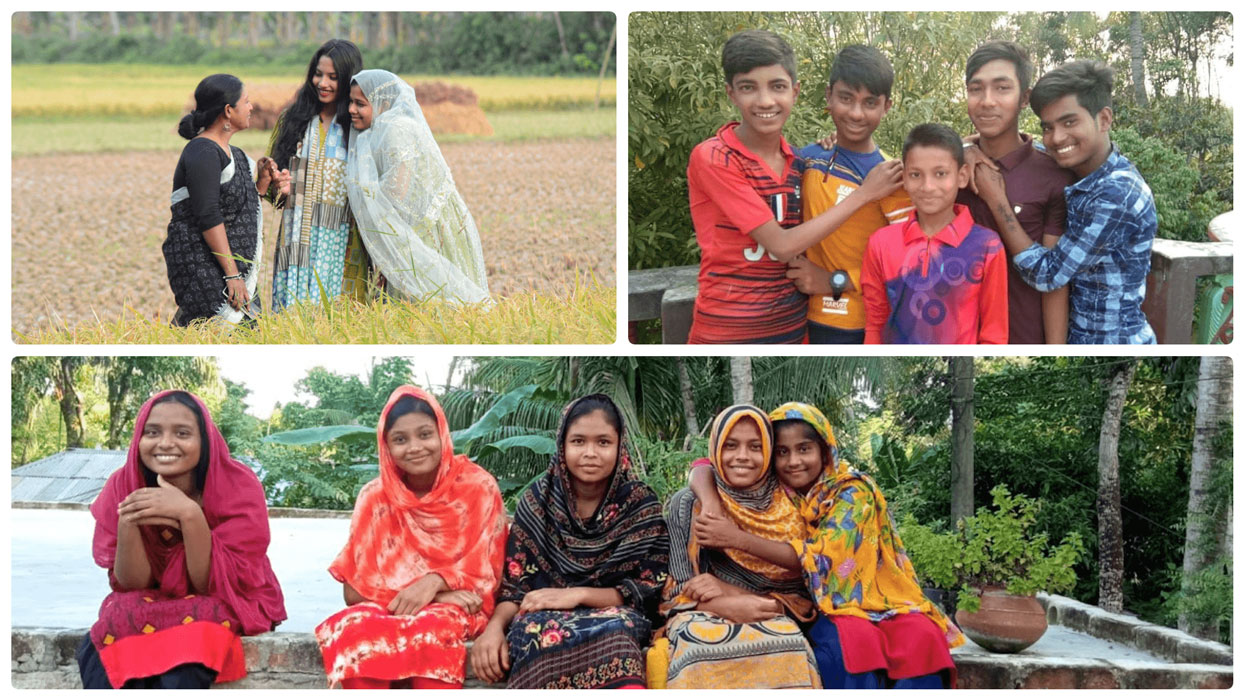
The Jeebanphool project aims to strengthen emotional resilience and develop essential life skills among adolescents and youth, improving their overall well-being and future success. It serves boys and girls aged 12–23 from urban and semi-urban communities, focusing on both adolescents and young adults. The initiative prepares them to navigate personal, academic, digital, and social challenges with confidence and responsibility.
Rationale
Young people in Bangladesh are increasingly vulnerable due to a combination of socio-economic stressors, digital exposure, and limited coping capacity. According to the Bangladesh Bureau of Statistics, around 7.2% of youth (aged 15–29) are unemployed, amounting to approximately 1.94 million individuals. (The Business Standard) This high youth unemployment rate contributes to uncertainty, frustration, and mental stress. Moreover, many young people are not in education, employment, or training (NEET), with recent data showing up to 39.9% of youths in that category. (Dhaka Tribune)
In parallel, mental health issues among adolescents are significant. A study shows that mental illness prevalence among children and adolescents in Bangladesh ranges from 13.4% to 22.9%, with common mental disorders like anxiety and depression being especially common. (Bangladesh Journals Online) Despite this, there are very few structured programs in schools or communities to build life-skills, emotional regulation, or resilience, leaving many youth ill-equipped to manage stress, personal safety, relationships, or digital risks.
Jeebanphool addresses this gap by offering structured life skills training—focusing on emotional regulation, decision‑making, healthy communication, and self‑safety—empowering adolescents and young adults to better navigate the challenges of modern life and reduce their vulnerability to mental and social stressors.
Alignment with National Policies & SDGs
The Jeebanphool initiative is closely aligned with Bangladesh’s national priorities. It supports the National Youth Policy (2017) by promoting youth empowerment, skills development, and constructive engagement. The project advances the National Education Policy through holistic education beyond academics and contributes to the National Social Protection Strategy by reducing vulnerabilities and strengthening youth resilience.
Jeebanphool further contributes to key global commitments, including SDG 3 (Health), SDG 4 (Education), SDG 5 (Gender Equality), SDG 8 (Decent Work), and SDG 10 (Reduced Inequalities)—collectively advancing youth empowerment and inclusive development.
Targeted Outcomes
- Improved emotional regulation and informed decision-making
• Stronger awareness of personal safety and consent
• Better communication and relationship-management skills
• Enhanced digital literacy and cyber safety practices
• Greater employability through relevant soft skills
• Increased ability to manage finances and daily responsibilities
• More responsible behavior at home, school, and within the community
Jeebanphool: Impact
Jeebanphool is shaping a responsible, confident, and self-aware generation capable of contributing to national development. The project promotes long-term emotional well-being, reduces behavioral risks, and builds resilience among youth—supporting the creation of stronger families, communities, and future leaders.
Support This Project
If you wish to support Jeebanphool or contribute to youth skill-development initiatives:
Contact: World Humanist Foundation